Storage for Restaurants: The 2026 Guide to Smarter Kitchens
Smart storage for restaurants is the hidden ingredient behind every well-run kitchen. Diners judge a venue on its food and service, but chefs know the real battle is fought in the back of house, where space is tight, deliveries pile up, and every wasted crate eats into profit. Get your storage strategy right and everything downstream, from food cost to kitchen safety, improves.
In this guide we unpack how modern restaurants in Saudi Arabia manage inventory across dry, chilled, and frozen environments. You will learn how off-site warehousing frees up kitchen space, how to slash waste, and what to look for in a storage partner in 2026.
Why Storage for Restaurants Deserves Real Attention
Most restaurant floor plans dedicate as little space as possible to storage, because seating pays the rent. Yet cramped back rooms create daily problems: blocked walkways, expired stock hidden at the back, and chefs wasting time hunting for ingredients mid-service.
Off-site and flexible storage solves this. By moving bulk and non-daily items out of the kitchen, operators reclaim room for prep and service while still buying at wholesale volumes. The result is a calmer kitchen and a healthier bottom line.
The True Cost of Food Waste
Food waste is one of the largest hidden expenses in hospitality. Poor rotation, forgotten deliveries, and broken cold chains all push edible stock into the bin. Better storage discipline directly protects margin, and it supports the sustainability goals many Saudi operators now pursue under Vision 2030.
The Three Storage Zones Every Restaurant Needs
A professional kitchen runs on three distinct environments. Understanding each helps you assign every product to the right place.
| Zone | Temperature | Typical Items |
|---|---|---|
| Dry / Ambient | 15°C to 25°C | Rice, flour, oils, canned goods, packaging |
| Chilled | 0°C to +8°C | Dairy, fresh produce, prepped sauces |
| Frozen | -18°C or lower | Meat, seafood, ready components |
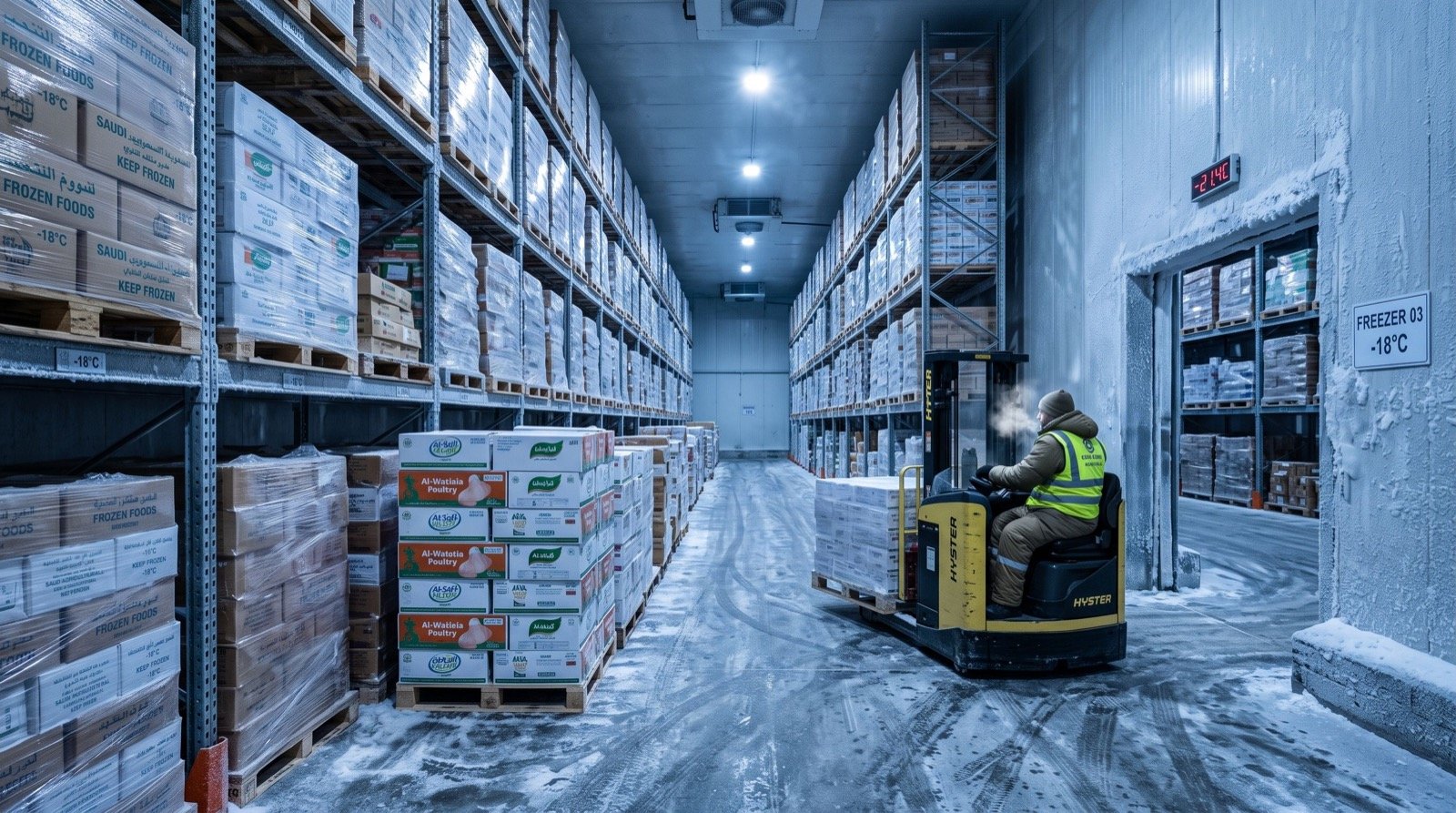
Purpose-built Storage for Restaurants combines these zones under one roof, letting you keep every ingredient at its ideal temperature without cramming your own kitchen. For the large volume of shelf-stable supplies, dedicated Ambient Storage is the cheapest and most practical option.
How Do You Reduce Waste With Better Storage?
Cutting waste is mostly about discipline and systems, not luck. Follow this proven routine.
- Apply FIFO: place newer stock behind older stock so nothing expires unseen.
- Label every item with a delivery and use-by date.
- Store ingredients at their correct temperature zone, every time.
- Conduct a weekly stock count to spot slow movers.
- Adjust purchasing based on real usage data, not guesswork.
These habits pay for themselves quickly. The Food and Agriculture Organization notes that roughly a third of all food produced globally is lost or wasted, so even modest improvements in a single kitchen deliver meaningful savings and a lighter environmental footprint.
Choosing a Storage Partner in 2026
When you outsource part of your storage, the provider becomes an extension of your kitchen. Choose carefully using the checklist below.
- Multi-temperature zones: Dry, chilled, and frozen under one contract.
- Food-grade hygiene: Certified cleaning and pest control.
- Flexible volumes: Scale up for Ramadan or events, down in quiet months.
- Fast access: Same-day retrieval so you never run out mid-week.
- Transparent pricing: Clear per-pallet rates with no hidden fees.
Lean on Local Expertise
A provider who understands Saudi supply patterns, seasonal demand, and local regulations saves you countless headaches. Working with reputable service experts means your inventory strategy is guided by people who know the market, not just a generic warehouse operator.
Seasonal Storage Planning for Saudi Restaurants
Demand in the Kingdom is highly seasonal, and storage plans should flex with it.
- Ramadan: Volumes surge; secure extra frozen and dry space in advance.
- Summer: Cold-chain reliability matters most as temperatures peak.
- Event seasons: Catering contracts spike, so short-term rentals shine.
Planning ahead for these peaks prevents both shortages and the panic-buying that erodes margin.
Building a Storage Workflow Your Team Will Actually Follow
A brilliant storage plan fails if the kitchen ignores it. The goal is a system so simple that busy staff stick to it even during a rush. Focus on clarity over complexity.
- Colour-code zones: Assign a clear colour to dry, chilled, and frozen areas so everyone knows where items belong.
- Keep a par-level sheet: List the minimum stock for each item so reordering never relies on memory.
- Assign daily ownership: One team member checks temperatures and rotation at the start of each shift.
- Photograph the ideal layout: A pinned photo shows staff exactly how a tidy shelf should look.
- Review waste weekly: A quick log of what got binned reveals ordering habits to fix.
These small routines compound into serious savings. A kitchen that follows a clear system wastes less, moves faster, and passes inspections with ease.
An Insight From High-Performing Kitchens
The best-run restaurants treat storage as a daily ritual, not a monthly chore. Before service, a designated staff member walks the storage zones, checks temperatures, pulls items nearing their use-by date to the front, and flags anything running low. This five-minute habit prevents the two most expensive problems in any kitchen: spoiled stock and mid-service shortages. Pair that discipline with a flexible external storage partner, and even a small venue can operate with the tight control of a large chain.
Frequently Asked Questions
Why should a restaurant use off-site storage?
Off-site storage frees valuable kitchen space, enables bulk buying at lower prices, and keeps ingredients at their correct temperature. It also improves safety by reducing clutter in busy work areas.
How is restaurant storage priced?
Most providers charge per pallet or per square metre, per month, with separate rates for dry, chilled, and frozen zones. Flexible plans let you pay only for the space you actually use.
Can I get storage for short-term events?
Yes. Caterers and pop-ups frequently rent short-term space during peak periods such as Ramadan, Hajj, and festival seasons, then scale back afterward.
How do I keep stored food compliant with regulations?
Choose a food-grade certified facility, maintain temperature logs, apply FIFO rotation, and keep documentation ready for municipal inspections. A good partner supports all of this by default.
Conclusion: Build a Kitchen That Runs Itself
Efficient storage for restaurants is not a back-office afterthought; it is a competitive advantage. By assigning every ingredient to the right zone, enforcing FIFO discipline, and partnering with a flexible, food-grade provider, you cut waste, protect margin, and give your team a calmer place to work.
Ready to reclaim your kitchen and tighten your food costs in 2026? Map your dry, chilled, and frozen needs, then talk to a trusted storage partner about a plan that flexes with your seasons. A smarter kitchen starts behind the scenes.